

Programmatic Video Advertising
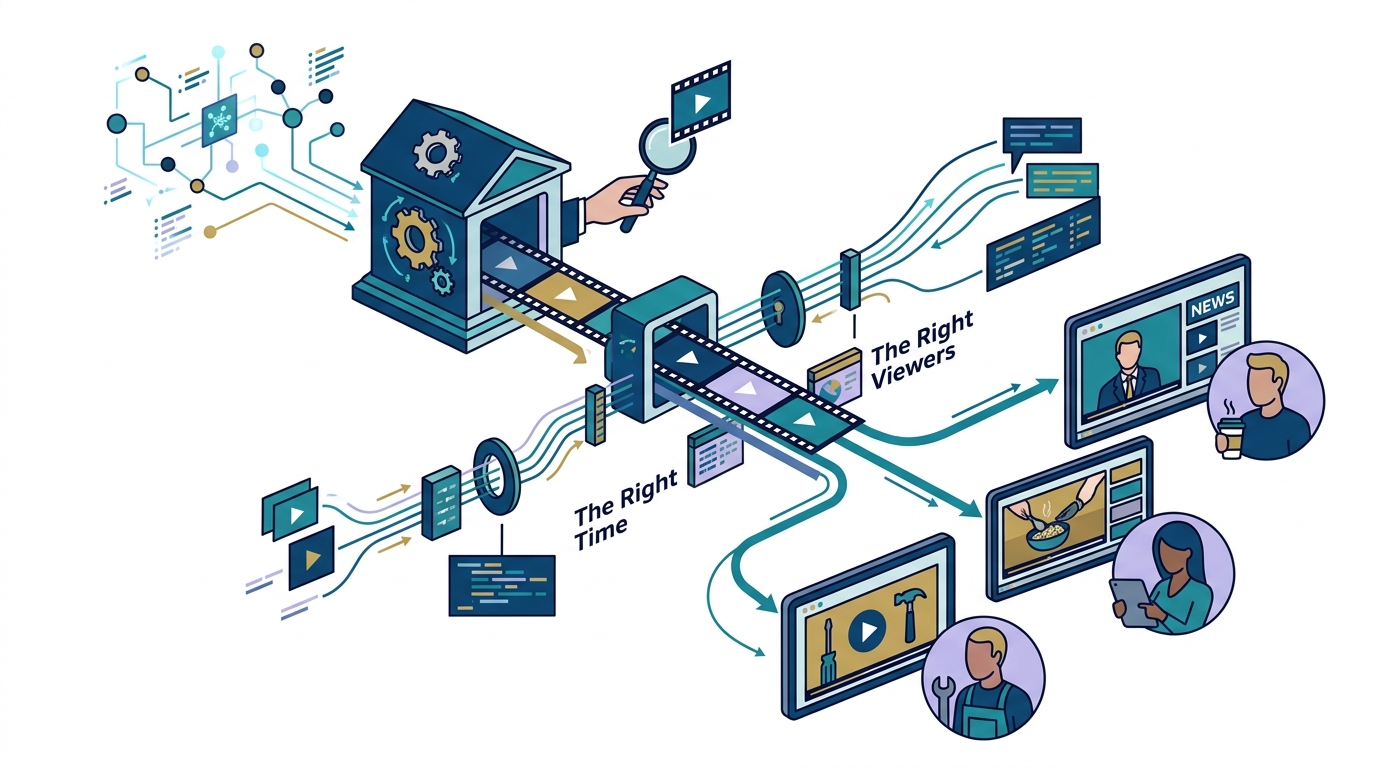
Programmatic video advertising is the automated buying and selling of video ad inventory through real-time bidding systems. This method allows advertisers to purchase ad space in milliseconds, ensuring their video content appears in front of the right viewers at the right time. Unlike traditional media buying, which relies on manual negotiations and fixed contracts, programmatic systems use algorithms to optimize every impression. For additional details, review the csdesigns net.
How Real-Time Bidding Works
Real-time bidding is the core mechanism behind programmatic video. When a user visits a website or app that hosts video ads, an ad exchange triggers an auction. Advertisers bid on the impression based on the user's profile and the context of the content. The highest bidder wins the right to serve their video ad. This process happens in under 100 milliseconds, making it invisible to the end user. For additional details, review the .
CS Designs and Marketing leverages this infrastructure to help local businesses compete in the digital video space. By connecting to major ad exchanges, we ensure that our clients' video ads are available across a vast network of publishers. This access allows small and mid-sized businesses to reach audiences that were previously only accessible to large national brands. according to Topic Digital video For additional details, review the Customer Experience.
The Role of Demand-Side Platforms
A Demand-Side Platform (DSP) is the software interface that advertisers use to manage programmatic campaigns. The DSP connects to multiple ad exchanges and supply-side platforms, allowing advertisers to set budgets, define targeting parameters, and monitor performance in one place. CS Designs and Marketing utilizes these platforms to execute campaigns with precision and transparency. according to Topic Programmatic advertising For additional details, review the Frequently Asked Questions.
Audience Targeting
Audience targeting is the process of selecting specific groups of users to receive video ads based on data signals. In programmatic video, targeting is far more precise than traditional media. Advertisers can use demographics, interests, behaviors, and contextual data to reach highly relevant audiences. This precision reduces wasted spend and increases the likelihood of conversion. according to Topic Digital video For additional details, review the About.
Demographic and Geographic Targeting
Demographic targeting allows advertisers to filter audiences by age, gender, income, and education level. Geographic targeting is particularly important for local businesses. CS Designs and Marketing specializes in targeting audiences within the Central Valley region, including Fresno and Clovis. By focusing on specific zip codes or radiuses around business locations, we ensure that video ads reach potential customers who are physically close to the business.
Geographic targeting can be combined with time-of-day targeting to maximize impact. For example, a restaurant might target users within a five-mile radius during lunch and dinner hours. This approach ensures that the ad is seen when the user is most likely to make a purchase decision. Local relevance is a key driver of video ad performance for small businesses.
Behavioral and Interest-Based Targeting
For example, a home improvement company might target users who have recently searched for renovation tips and live in a specific neighborhood. This level of specificity is difficult to achieve with traditional media. CS Designs and Marketing helps clients define these segments based on their business goals and customer profiles. The result is a video campaign that speaks directly to the needs and interests of the target audience.
Campaign Reach
Campaign reach is the number of unique users who see a video ad during a specified period. Reach is a critical metric for video advertising because it measures the breadth of audience exposure. High reach ensures that the brand message is seen by a large portion of the target market. However, reach must be balanced with frequency to avoid ad fatigue.
Measuring Video Viewability
Viewability is the percentage of ad impressions that are actually seen by users. In video advertising, viewability is typically defined as 50% of the video pixels being visible for at least one second. This metric is important because it ensures that the ad is not just served, but actually viewed. CS Designs and Marketing prioritizes viewable inventory to ensure that clients' budgets are spent on ads that have a high probability of being seen.
Viewability standards have become a baseline requirement for programmatic video. Advertisers can set viewability thresholds in their DSPs to filter out low-quality inventory. This practice helps maintain brand safety and ensures that the ad appears in a positive context. By focusing on viewable impressions, we help clients achieve better engagement and conversion rates.
Optimizing Frequency and Duration
Frequency is the average number of times a user sees an ad during a campaign. Too low a frequency may not create enough awareness, while too high a frequency can lead to ad fatigue and negative brand perception. The optimal frequency depends on the campaign goal and the length of the campaign. For awareness campaigns, a frequency of 3 to 5 is often recommended. For conversion campaigns, a lower frequency may be more effective.
CS Designs and Marketing monitors frequency closely throughout the campaign. We adjust targeting and budget allocation to maintain optimal frequency levels. This approach ensures that the campaign remains effective from start to finish. By balancing reach and frequency, we help clients maximize the impact of their video advertising investment.
| Metric | Definition | Importance for Video Ads |
|---|---|---|
| Reach | Number of unique users who see the ad | Measures breadth of audience exposure |
| Frequency | Average number of times a user sees the ad | Controls ad fatigue and message reinforcement |
| Viewability | Percentage of impressions that are visible | Ensures ads are actually seen by users |
| Completion Rate | Percentage of users who watch the entire video | Indicates content engagement and interest |
Key Takeaways
- Demand-Side Platforms provide the interface for managing programmatic video campaigns.
- Geographic targeting is essential for local businesses to reach nearby potential customers.
- Behavioral and interest-based targeting allow for highly specific audience segmentation.
- Viewability ensures that video ads are actually seen by users, not just served.
- Optimizing frequency prevents ad fatigue while maintaining message reinforcement.
- CS Designs and Marketing specializes in programmatic video for Central Valley businesses.
- Measuring reach, frequency, and completion rate provides a complete picture of campaign performance.
Frequently Asked Questions
Does CS Designs and Marketing offer programmatic video advertising?
What is real-time bidding in video advertising?
Real-time bidding is an automated auction process where advertisers bid on video ad impressions in milliseconds. The highest bidder wins the right to serve their ad to the user.
How does geographic targeting work for local businesses?
Geographic targeting allows advertisers to show video ads to users within specific locations, such as zip codes or radiuses around a business. This ensures that local businesses reach nearby potential customers.
What is viewability in video advertising?
Viewability is the percentage of ad impressions that are actually visible to users. For video, it is typically defined as 50% of the video pixels being visible for at least one second.
How do I measure the success of a video campaign?
Success is measured by metrics such as reach, frequency, viewability, and completion rate. These metrics provide insight into how many people saw the ad, how often, and how engaged they were.
Can small businesses use programmatic video advertising?
Yes, programmatic video advertising is accessible to small businesses. Automated systems allow small budgets to be spent efficiently on targeted audiences, making it a viable option for local enterprises.