

How to Choose: Separating Good Options from Bad Ones
Defining the Core Technologies
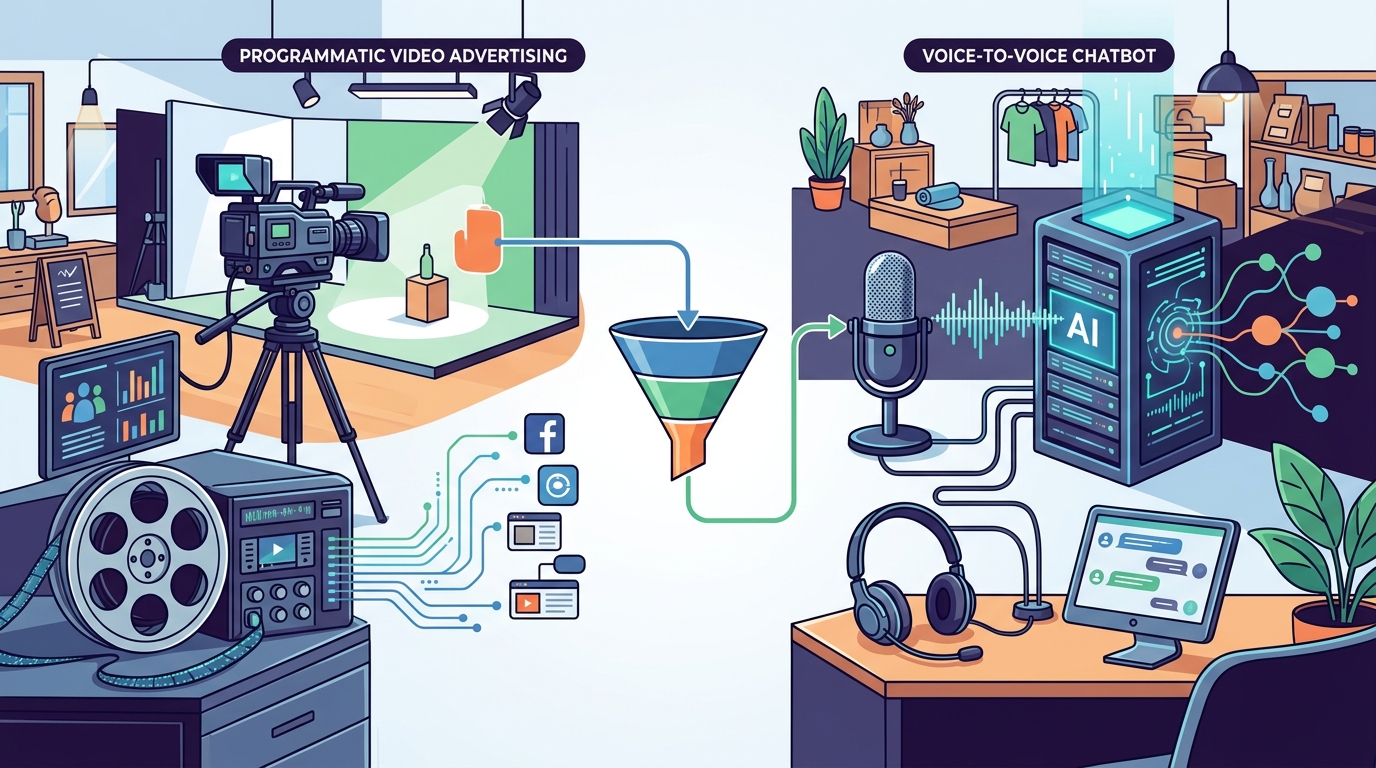
Programmatic video advertising is the automated buying and selling of video ad inventory through real-time bidding. Voice chatbot development is the creation of AI-driven interfaces that use natural language processing to handle customer inquiries via voice. Understanding these definitions helps clarify their distinct roles in your marketing funnel.
What to Ask: Specific Questions Before Committing
Integration and Data Flow
Ask how the technology connects to your CRM. Does it push leads directly to your sales team? Can it update customer records automatically? These questions reveal the true operational cost and complexity of the implementation.
How to Verify: Checking Claims and Credentials
Many agencies make bold claims about ROI and technology capabilities. To verify these, request case studies with specific metrics, not just anecdotes. Check for certifications from major ad platforms like Google or Meta. For AI chatbots, verify the underlying technology provider and their track record in your specific industry. A reputable partner will provide transparent access to reporting dashboards and raw data.
How It Works: Process, Order, and Timeline
Implementation follows a structured workflow. First, you define your goals and target audience. Next, the creative assets are produced or the bot logic is mapped. Then, the system is integrated with your website and tested. Finally, the campaign goes live. For video ads, this process typically takes 2 to 4 weeks. For voice chatbots, the development and training phase can take 4 to 8 weeks depending on complexity.
The Iterative Cycle
Both technologies require continuous optimization. Video ads need creative refreshes every 4 to 6 weeks to avoid fatigue. Chatbots need regular updates to their knowledge base to maintain accuracy. This iterative cycle is where the real value is generated.
What It Costs: Drivers of Price
Costs vary significantly based on scope and complexity. Programmatic video costs are driven by ad spend, production quality, and targeting precision. Voice chatbot costs are driven by the complexity of the conversation logic, the number of integrations, and the volume of expected interactions. A basic chatbot might cost a few thousand dollars, while a sophisticated enterprise-grade system can cost tens of thousands. Video ad spend is separate from production costs and scales with your budget.
What Goes Wrong: Common Mistakes and Avoidance
The most common mistake is implementing technology without a clear strategy. Businesses often buy a chatbot because it is trendy, not because it solves a specific problem. Another mistake is poor creative quality in video ads, which leads to high costs per click. To avoid these, start with a clear business objective and ensure your creative assets are high-quality and relevant to your audience.
Technical Debt
Ignoring technical maintenance leads to broken integrations and outdated content. Regular audits and updates are essential to keep both video campaigns and chatbots performing at their peak.
Versus Alternatives: Comparing Options
For a Specific Situation: Tailoring the Approach
For a local service business in the Central Valley, the approach differs from a national e-commerce brand. Local businesses benefit from hyper-local video targeting and chatbots that can answer specific local questions like hours and location. A national brand might focus on broader video reach and chatbots that handle complex product inquiries. Tailoring the technology to your specific market context is crucial for success.
Rules and Protections: Compliance and Rights
Local Specifics: Central Valley Considerations
Timing: When to Act and How It Affects Outcomes
Timing is critical for both video and chatbot implementations. Launching video campaigns during peak seasonal demand can maximize ROI. For chatbots, implementing them before a major traffic spike, such as a holiday season, ensures you are ready to handle increased inquiries. Acting early allows you to refine your strategy and build a data foundation that competitors may lack.
Results Over Time: Measurable Outcomes
Key Takeaways
- Programmatic video ads drive awareness, while voice chatbots handle support and qualification.
- Choose based on your current bottleneck: awareness or conversion.
- Ask specific questions about integration, data ownership, and accuracy.
- Verify claims with case studies and platform certifications.
- Implementation takes 2 to 8 weeks depending on complexity.
- Costs are driven by scope, complexity, and ad spend.
- Avoid implementing technology without a clear strategy.
- Local relevance is crucial for Central Valley businesses.
Frequently Asked Questions
Do programmatic video ads work for small businesses?
Yes, programmatic video ads work for small businesses by allowing precise local targeting and budget control. They can drive significant awareness and lead generation when executed with high-quality creative.
Are voice chatbots a good investment for small businesses?
How long does it take to implement a voice chatbot?
Implementing a voice chatbot typically takes 4 to 8 weeks, depending on the complexity of the conversation logic and integrations required.
What is the cost of programmatic video advertising?
The cost of programmatic video advertising varies based on ad spend, production quality, and targeting. It is separate from any agency fees or production costs.
How do I verify if an agency is legitimate?
Verify an agency by checking for case studies with specific metrics, platform certifications, and transparent reporting. A reputable agency will provide access to raw data and clear communication.
Can I use both video ads and chatbots?
Yes, you can use both video ads and chatbots. They serve different parts of the customer journey and can work together to maximize ROI.