

How to Choose: Separating Good from Bad
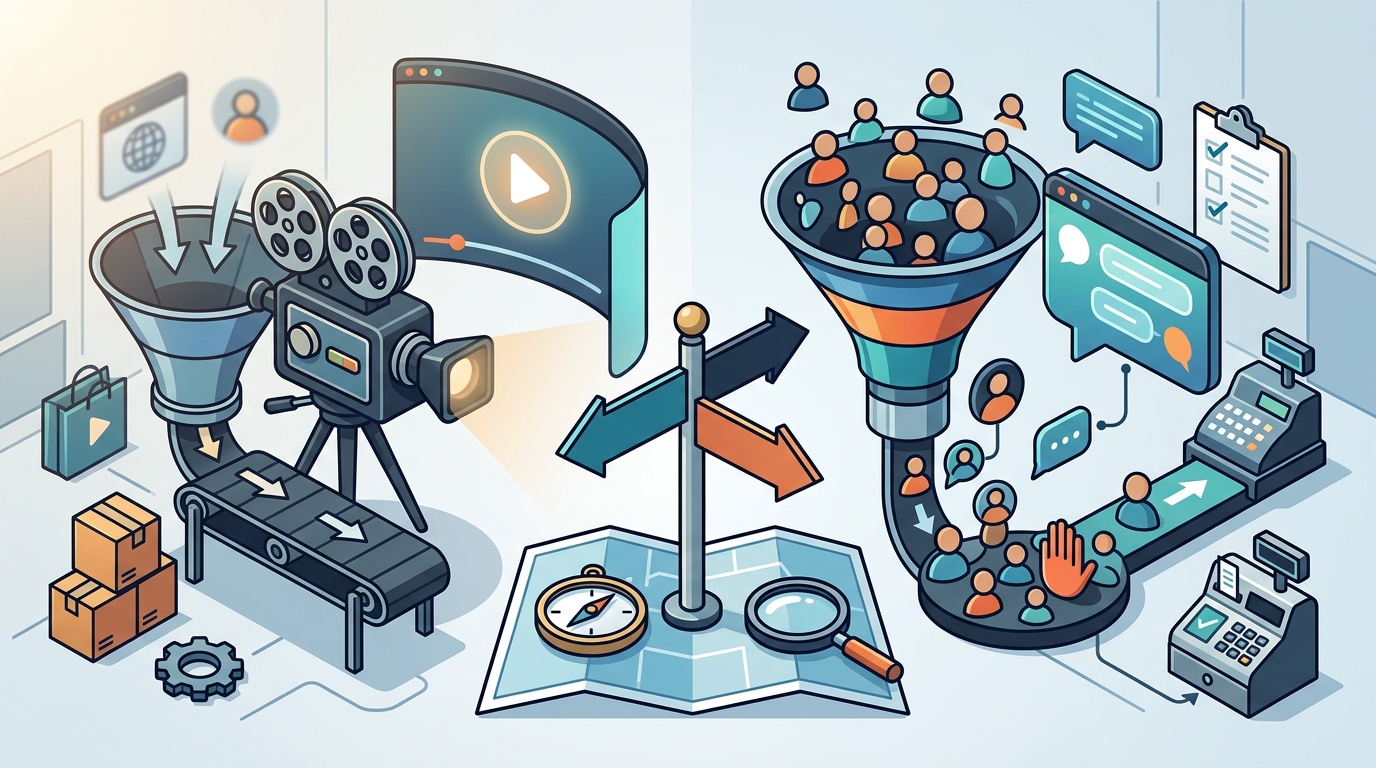
A good implementation aligns with your current growth bottleneck. If you have traffic but no sales, a chatbot may help. If you have no traffic, video ads may be necessary. CS Designs and Marketing helps Central Valley businesses identify this bottleneck. We analyze your current digital footprint to determine which tool addresses your specific gap. The wrong tool wastes budget and time. The right tool creates measurable ROI. For additional details, review the About.
What to Ask Before Committing
Before signing a contract, ask specific questions about capabilities and integration. For video ads, ask about targeting precision and creative asset requirements. For chatbots, ask about natural language processing accuracy and escalation protocols. These questions reveal the depth of the provider's expertise.
Key Questions for Video Ads
- What platforms do you manage, and how do you optimize for each?
- How do you measure view-through conversions?
- What is the minimum budget required for meaningful data?
Key Questions for Voice Chatbots
- How does the bot handle complex or emotional queries?
- Can it integrate with our existing CRM or phone system?
- What is the fallback process when the bot is confused?
Providers who cannot answer these questions clearly are likely using generic templates. Specific answers indicate a tailored approach. CS Designs and Marketing provides transparent answers to these questions during our initial consultation.
How to Verify Claims and Credentials
Many agencies make broad claims about AI capabilities or ad performance. Verify these claims by requesting case studies with specific metrics. Look for before-and-after data, not just testimonials. Check for certifications from major ad platforms or AI development frameworks.
For voice chatbots, test the demo with edge cases. Ask it to handle a complaint or a complex question. Observe how it responds. A robust system handles ambiguity gracefully. A weak system loops or gives generic answers. This hands-on verification is more valuable than any marketing brochure.
How It Works: Process and Timeline
Implementing either tool follows a structured process. For programmatic video, the process involves strategy, creative production, campaign launch, and optimization. This typically takes 4 to 8 weeks. For voice chatbots, the process involves workflow mapping, AI training, integration, and testing. This typically takes 6 to 12 weeks.
Video Ad Workflow
- Define target audience and campaign goals.
- Produce video creative assets.
- Set up tracking and attribution.
- Launch and monitor performance.
- Optimize based on data.
Voice Chatbot Workflow
- Map customer service workflows.
- Train AI on business-specific data.
- Integrate with phone or web systems.
- Test with internal team.
- Launch with human oversight.
Understanding this timeline helps set realistic expectations. Rushing either process leads to poor results. Patience and iterative improvement are key.
What It Costs: Price Drivers
What Goes Wrong: Common Mistakes
Another mistake is expecting immediate results. Both tools require time to gather data and optimize. Set realistic expectations. Measure progress over months, not days. Avoid switching tools too frequently. Consistency is crucial for long-term success.
Versus Alternatives: Comparing Options
| Option | Primary Goal | Time to Results | Cost Structure |
|---|---|---|---|
| Programmatic Video | Awareness and Conversion | 4-8 weeks | Media Spend + Fees |
| SEO | Organic Traffic | 3-6 months | Monthly Retainer |
| Print Ads | Local Awareness | Immediate | Per Placement |
For a Specific Situation: Case Scenarios
Consider a local service business in Fresno. If they are missing calls after hours, a voice chatbot is a high-impact solution. It captures leads and schedules appointments automatically. If they are a new brand with no local recognition, programmatic video ads can build awareness quickly. The choice depends on the specific pain point.
For e-commerce businesses, video ads drive product discovery. Chatbots handle pre-sale questions and post-sale support. For B2B companies, video ads build thought leadership. Chatbots qualify inbound leads. CS Designs and Marketing helps you map your specific situation to the right tool.
Rules and Protections: Compliance
Both tools are subject to regulatory and platform rules. Video ads must comply with platform policies and advertising standards. Avoid misleading claims or sensitive content. Voice chatbots must comply with privacy laws and data protection regulations. Ensure customers know they are speaking to a bot. Provide clear opt-out options.
Failure to comply can result in account suspension or legal issues. Work with a provider who understands these rules. CS Designs and Marketing ensures all campaigns and bots comply with current regulations. This protects your brand and reputation.
Local Specifics: Central Valley Context
The Central Valley has unique market dynamics. Local competition is often intense. Digital presence is crucial for differentiation. Programmatic video can target specific zip codes and demographics in Fresno and Clovis. This precision is valuable for local businesses. Voice chatbots can handle local-specific queries, such as service area questions or local hours.
Understanding local consumer behavior is key. Central Valley residents may prefer certain communication channels. Tailor your approach to local preferences. CS Designs and Marketing has deep knowledge of the Central Valley market. We help you connect with your local audience effectively.
Timing: When to Act
Timing matters for both tools. Launch video ads during peak demand periods or before major holidays. This maximizes impact. Launch chatbots when you are ready to handle increased volume. Rushing a launch leads to poor user experience. Align your launch with your business capacity.
Results Over Time: Long-Term Outcomes
Long-term results depend on continuous optimization. Video ads improve as you refine targeting and creative. Chatbots improve as you expand their knowledge base. Measure key metrics regularly. For video, track cost per acquisition and return on ad spend. For chatbots, track resolution rate and customer satisfaction.
Expect incremental improvements over time. The first month may show modest results. By month three, you should see significant gains. Consistency is key. Do not abandon the tools after a slow start. CS Designs and Marketing provides regular reporting and optimization to ensure long-term success.
Key Takeaways
- Choose tools based on your specific growth bottleneck, not trends.
- Verify provider claims with case studies and hands-on demos.
- Understand the timeline: video takes 4-8 weeks, chatbots 6-12 weeks.
- Costs depend on scope, complexity, and ongoing optimization needs.
- Avoid common mistakes like poor targeting and lack of integration.
- Comply with platform and privacy regulations to protect your brand.
- Tailor your strategy to local Central Valley market dynamics.
- Expect incremental improvements and commit to long-term optimization.
Frequently Asked Questions
Which is better for a small business: video ads or chatbots?
It depends on your goal. Video ads are better for reaching new customers. Chatbots are better for supporting existing customers and qualifying leads. Many businesses benefit from both.
How long does it take to see results from programmatic video?
Initial data appears within weeks. Meaningful optimization and results typically take 4 to 8 weeks. Long-term success requires ongoing management.
Can a voice chatbot handle complex customer issues?
Modern chatbots can handle many complex issues. However, they should have a fallback to human agents for highly sensitive or complex cases. This ensures customer satisfaction.
What is the minimum budget for programmatic video ads?
Minimum budgets vary by platform and target. Generally, you need enough spend to gather meaningful data. Consult with a provider to determine the right budget for your goals.
Do I need to build a chatbot from scratch?
How do I measure the success of a voice chatbot?
Track metrics like resolution rate, average handle time, and customer satisfaction. Also monitor lead qualification accuracy. These metrics show the bot's effectiveness.
Is programmatic video suitable for local businesses?
Yes. Programmatic video can target specific geographic areas. This makes it effective for local businesses in the Central Valley. Precision targeting ensures your ads reach relevant local audiences.